Comprehensive Cognitive Training

Count objects using one-to-one correspondence, develop an initial understanding of representing quantities in groups of five, and explore ways to divide shapes and quantities into two equal parts.
Explore ways to divide shapes into four equal parts and quantities equally. Develop an initial understanding of addition and subtraction, and learn to use association techniques for memorization.
Patterns and Sequences
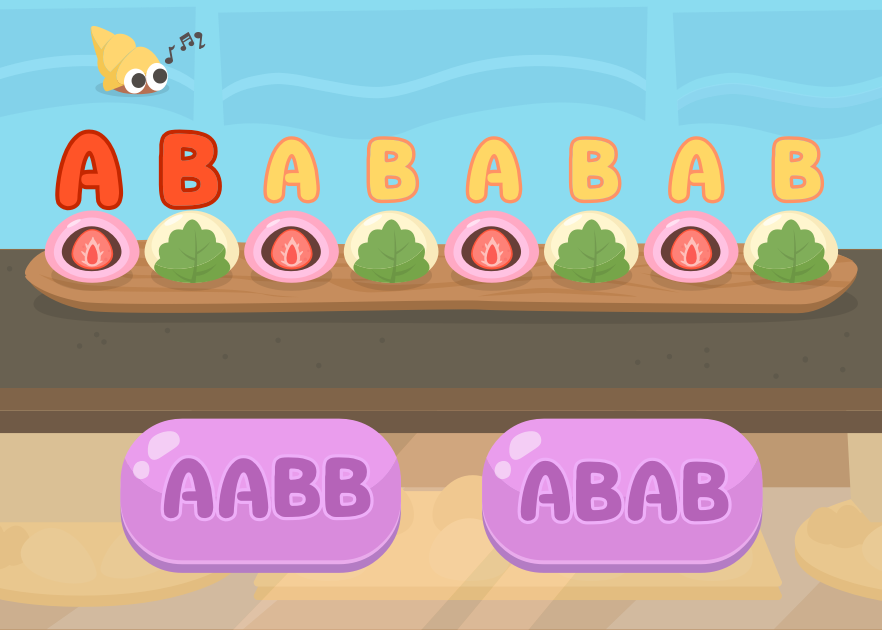
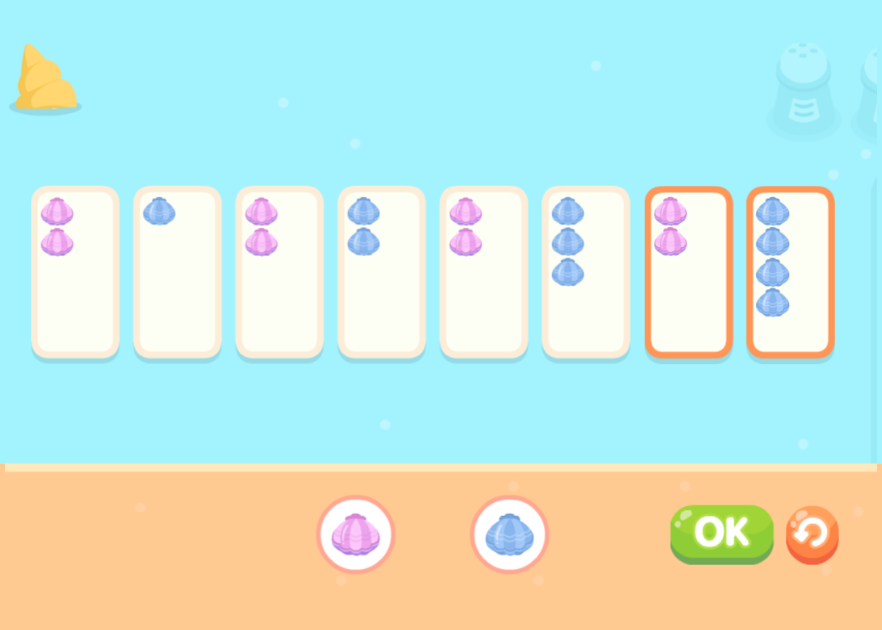
Identify and apply AB and AABB repeating patterns, and appreciate the beauty of patterns.
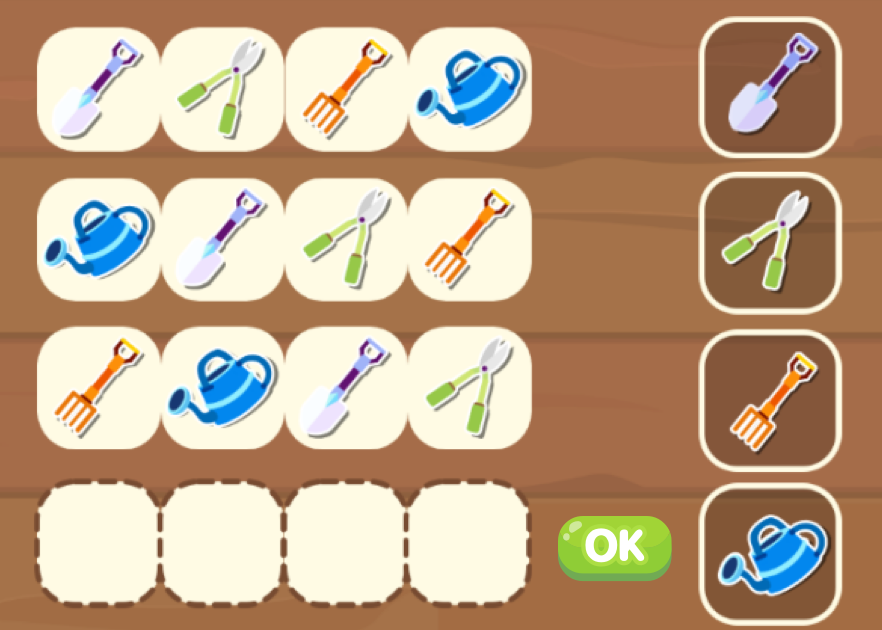
Identify and apply AAB, ABB, and ABC repeating patterns, and appreciate the beauty of patterns.
Basic Application
Help children understand more and less through one-to-one counting.
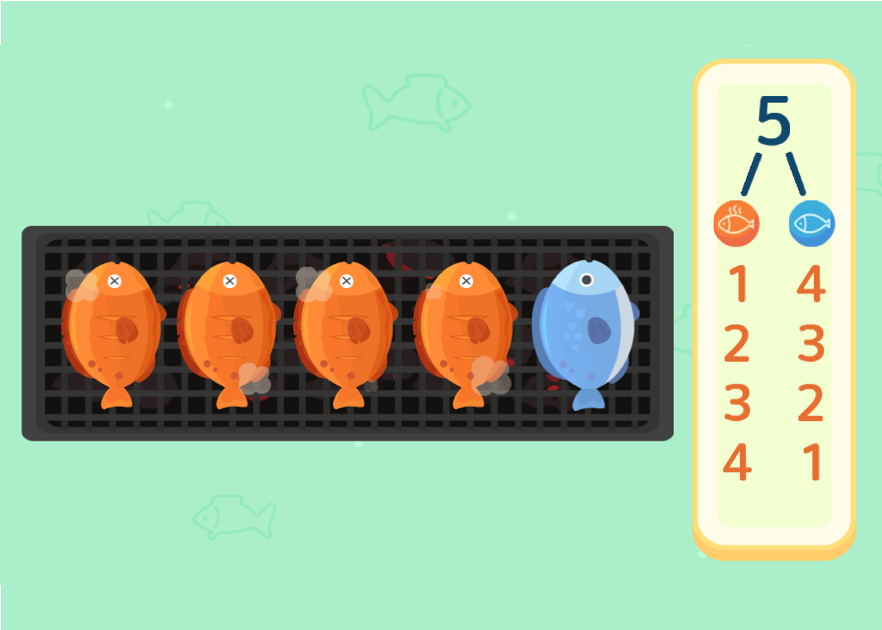
Observe, explore, and compare how quantities of objects can be split and combined. Learn all the ways to make and break apart 5 and 6, and understand the relationship between composition and decomposition.
Spatial Awareness and Application
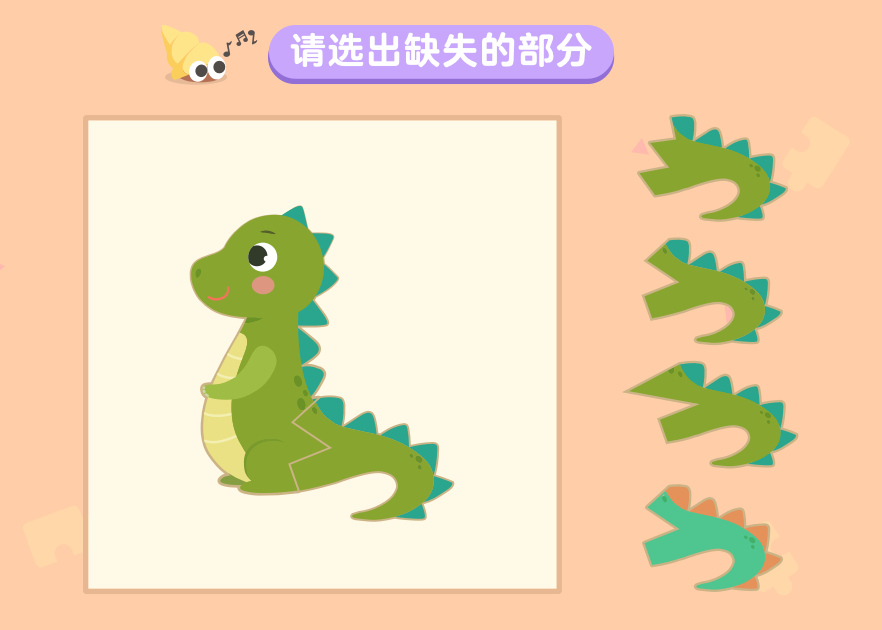
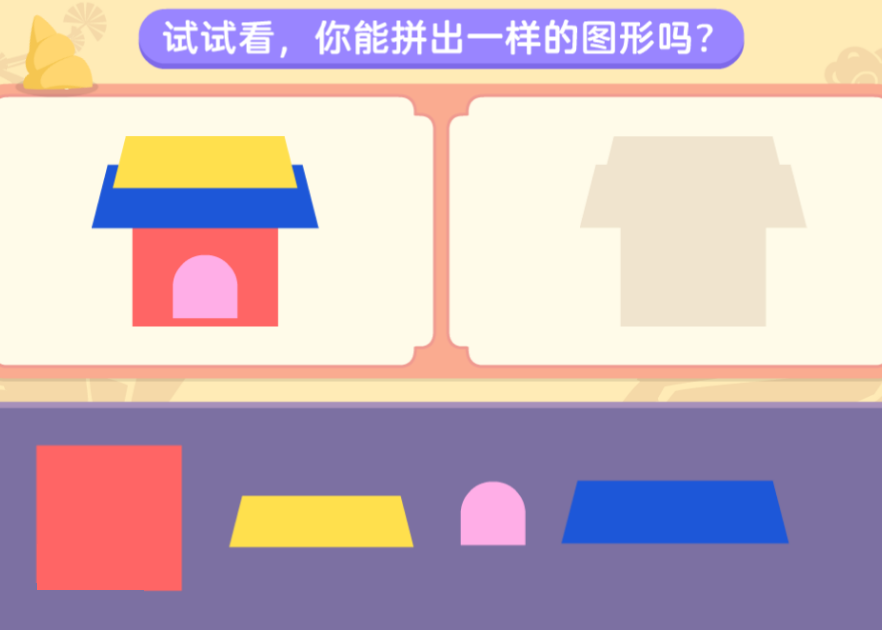
Move from understanding wholes and parts of shapes to wholes and parts of quantities, and understand the relationship between the whole and its parts.
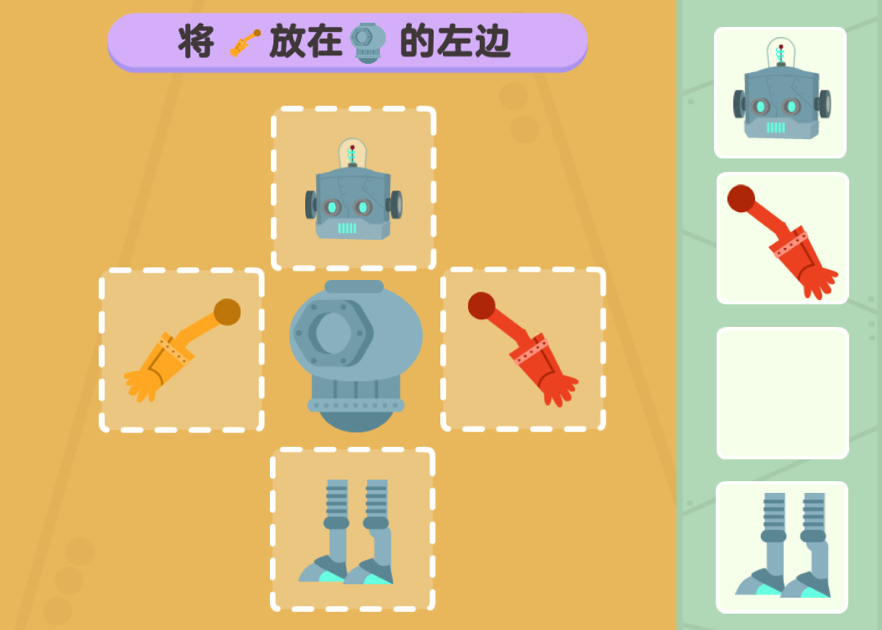
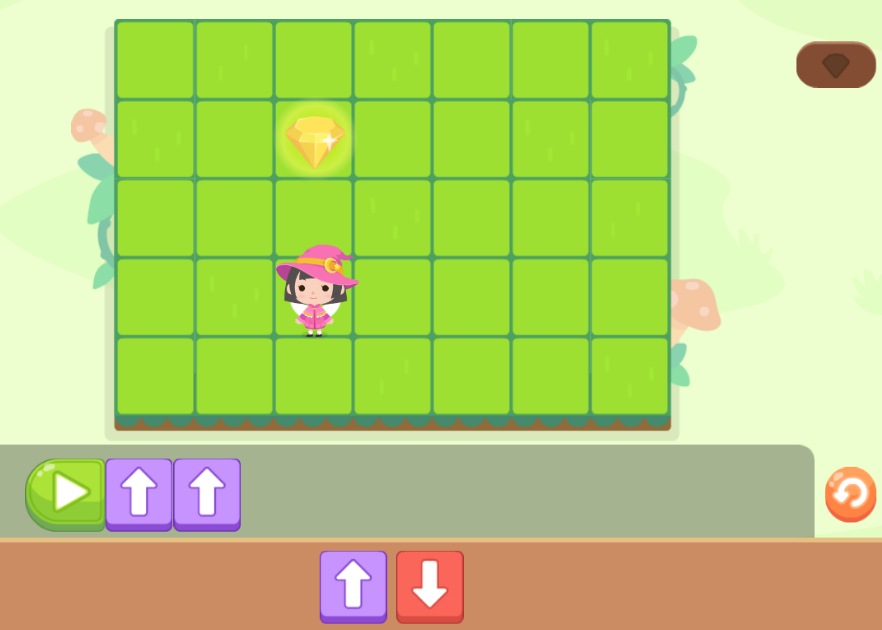
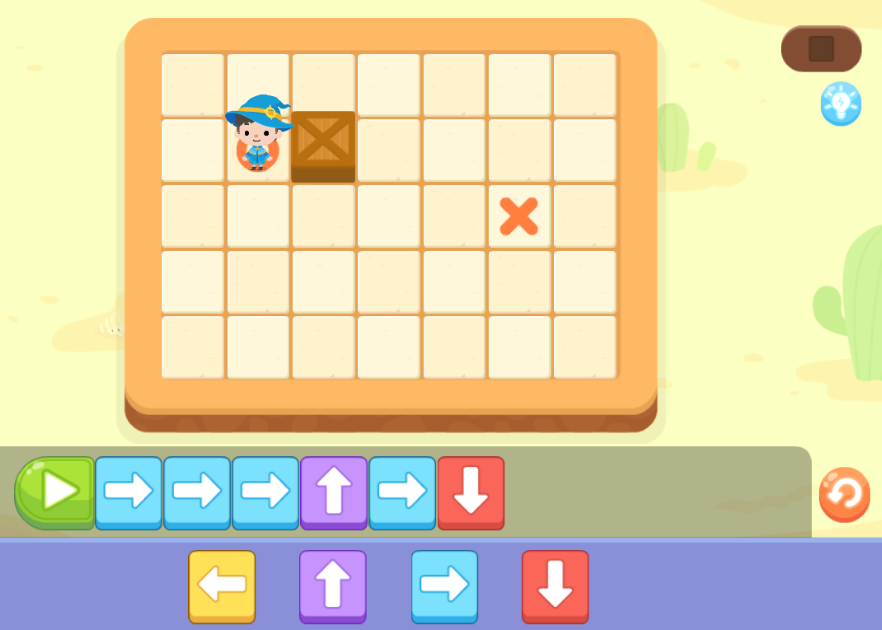
Help children understand spatial directions such as up, down, left, and right through body movements. Identify the spatial relationships between objects in simple settings and locate objects by following directional instructions.
Sample Lessons from This Level
Overlapping Game
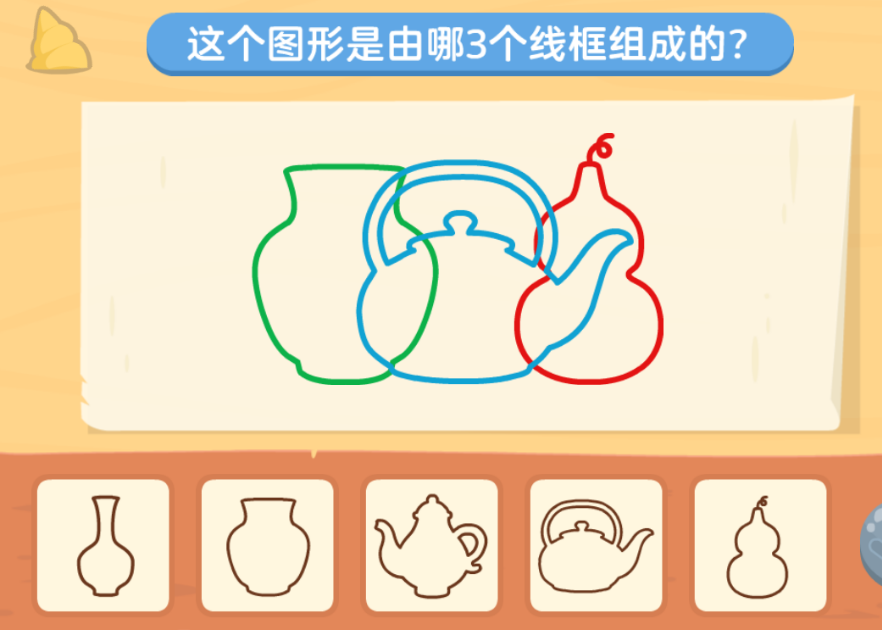
Understand the concept of overlapping and identify objects based on the features of overlapping lines and shadows.
Identify the upper-lower layering and relative positions of figures by observing how they overlap.
Correspondence
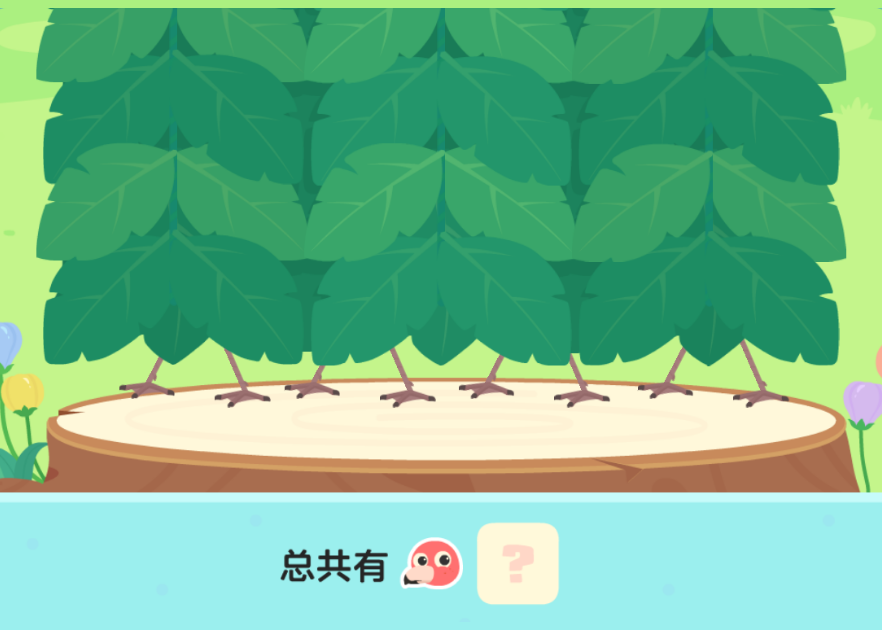
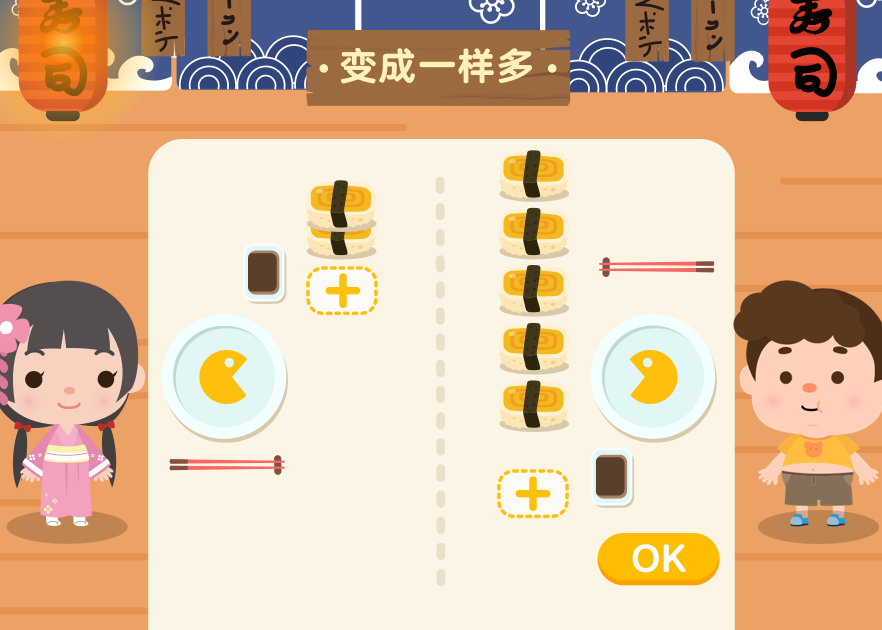
Through hands-on activities and learning, help children understand quantitative correspondences between objects, develop number sense, and improve calculation skills.
Develop an initial understanding of one-to-many correspondence between objects through hands-on activities.
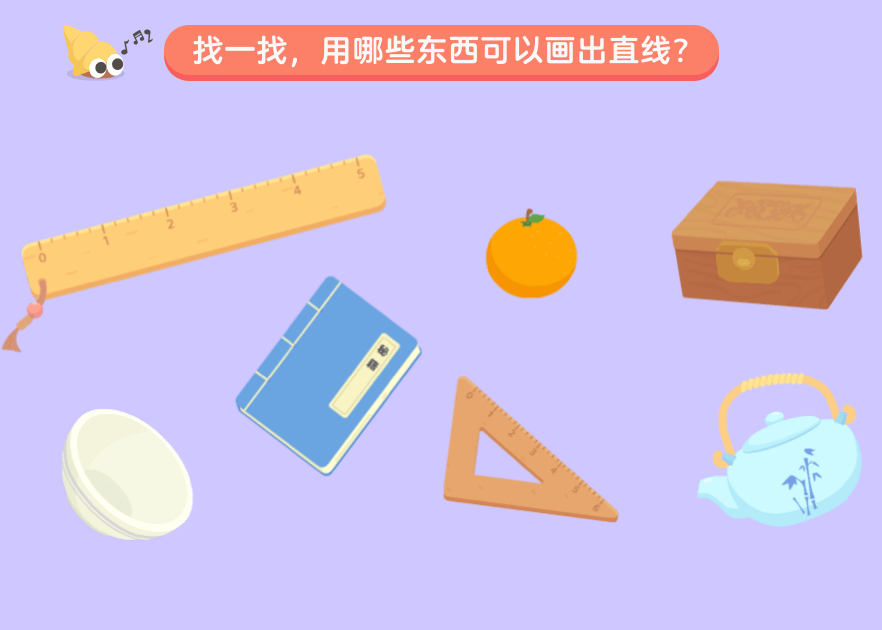
Shapes in Everyday Life
Through learning and hands-on activities, explore how moving points form lines and moving lines form surfaces.
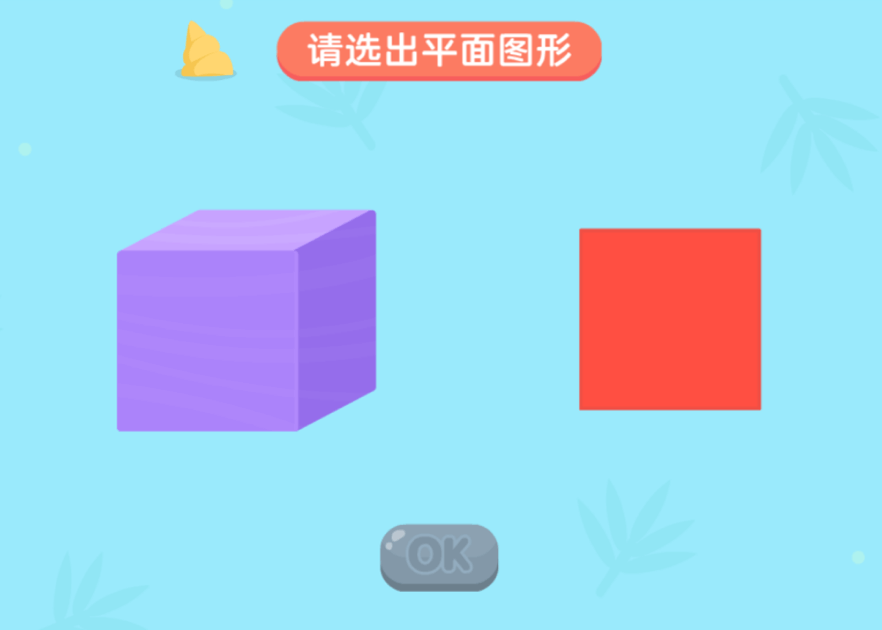
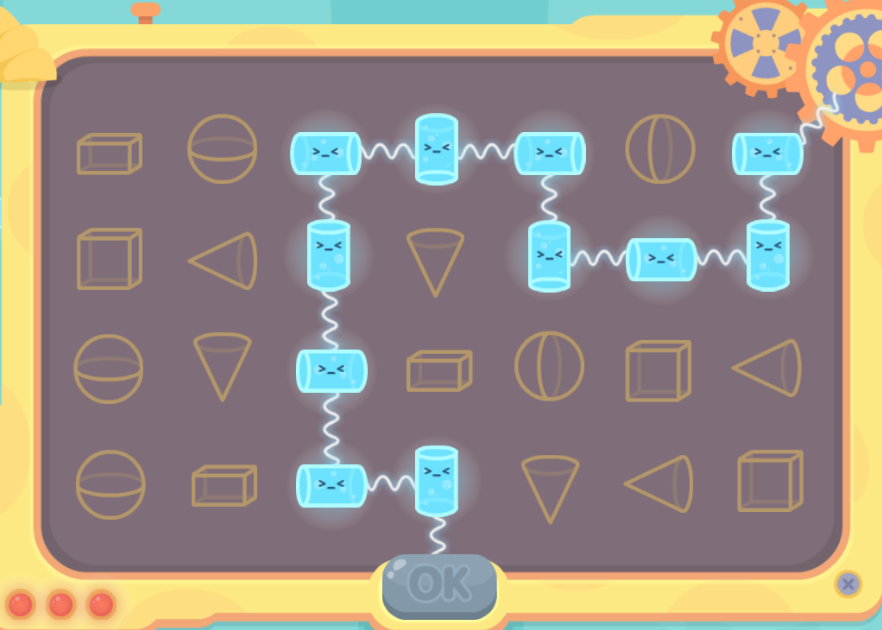
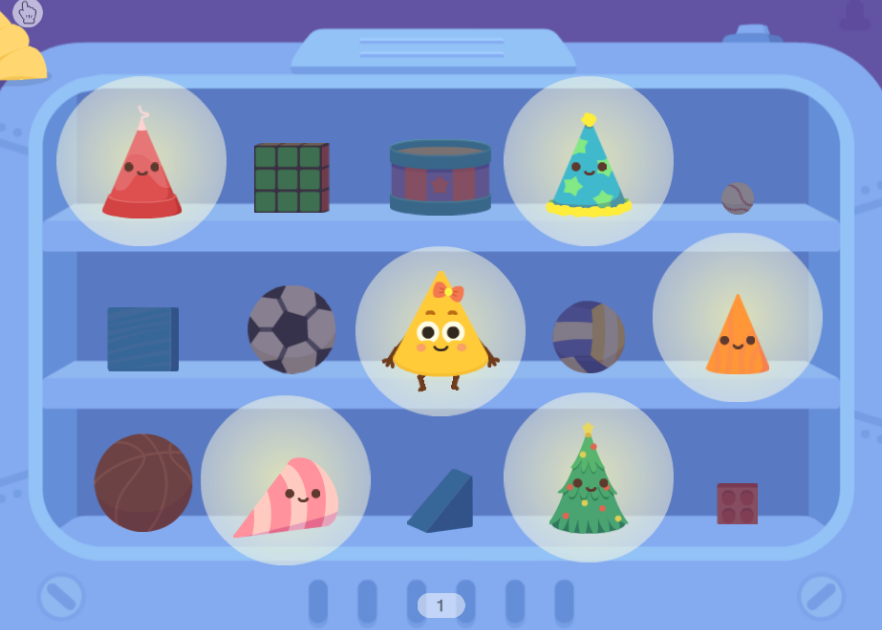
Distinguish between 2D shapes and 3D shapes through observation.
Sample Lessons from This Level
Comprehensive Cognitive Training
Understand the concept of difference, identify the parts that are the same, the extra parts, and the missing parts, and perform basic subtraction involving differences.
Understand the relationship between numerals and quantities, learn to recognize numbers using groups of five, and develop an initial understanding of repeated addition and subtraction within 20.
Basic Applications
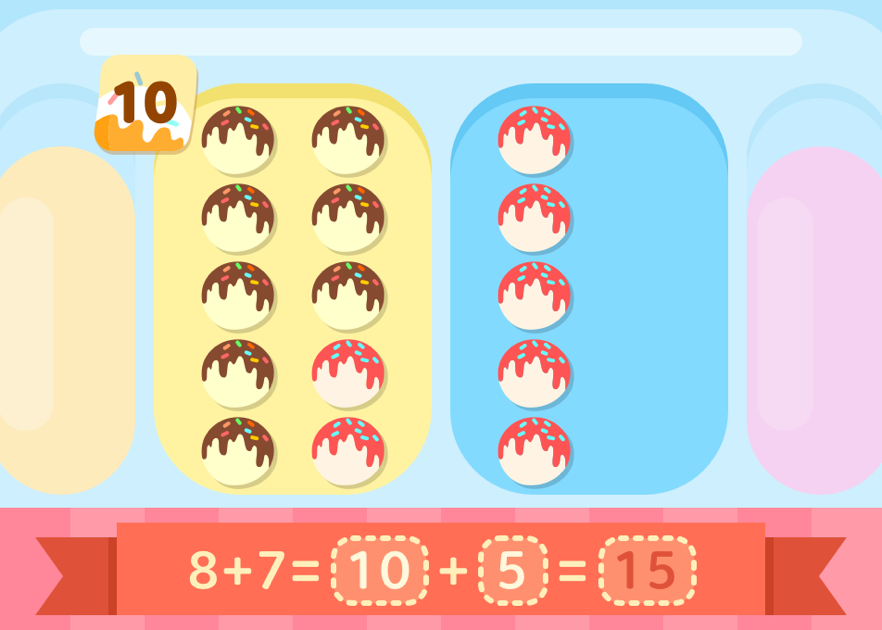
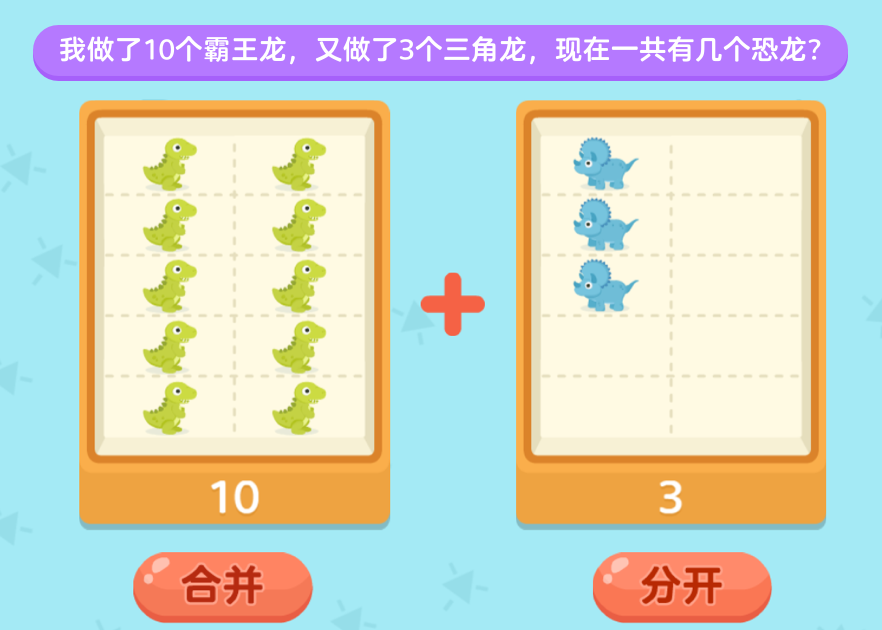
Master addition within 10 and adding a single-digit number to a multiple of 10, progressing from visual, concrete calculations to abstract numerical calculations.
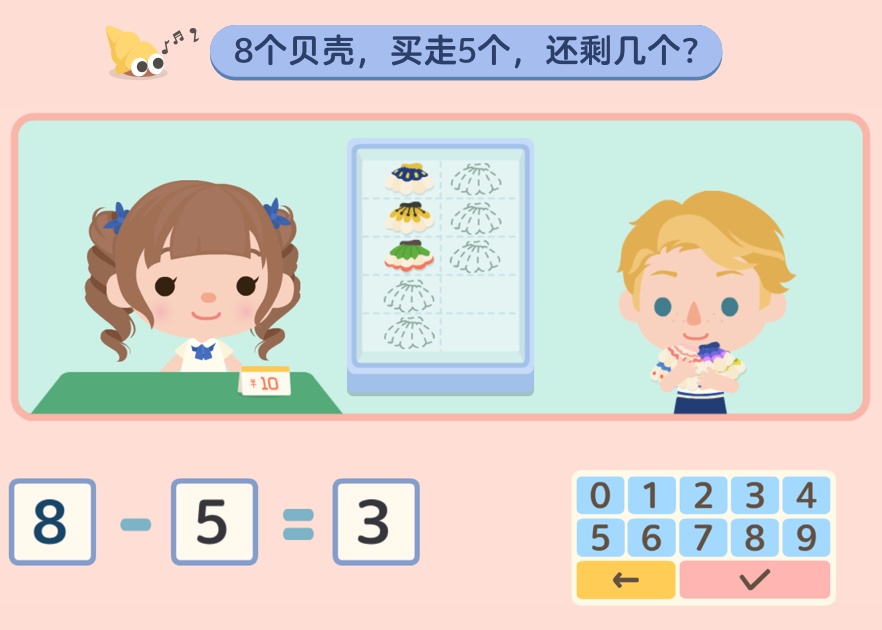
Master the three-step method for subtraction without regrouping within 20.
Changes in Position
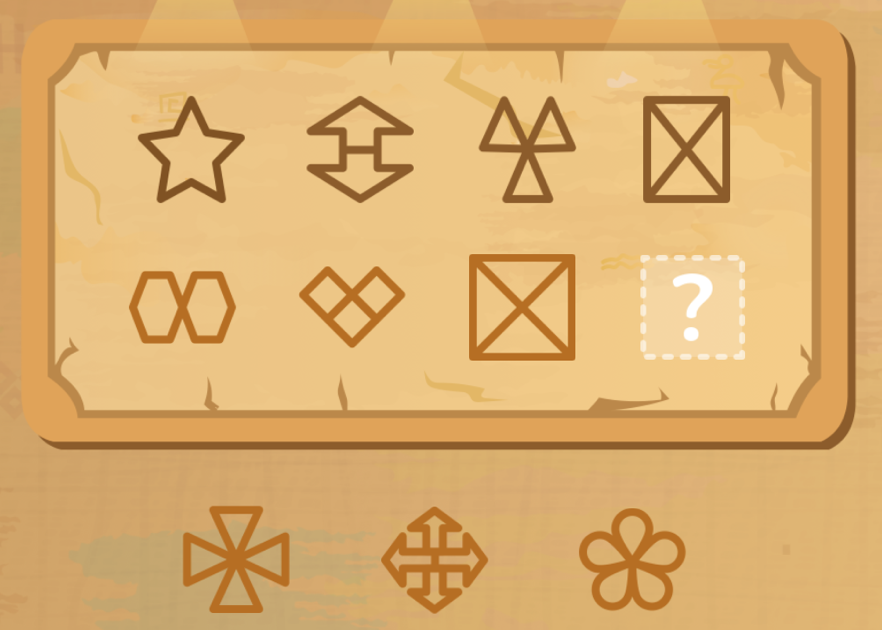
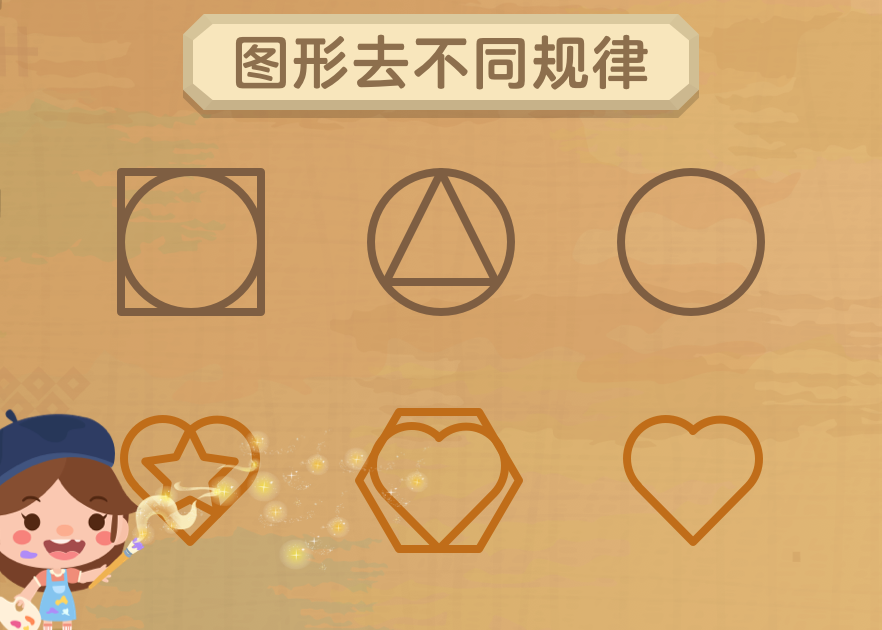
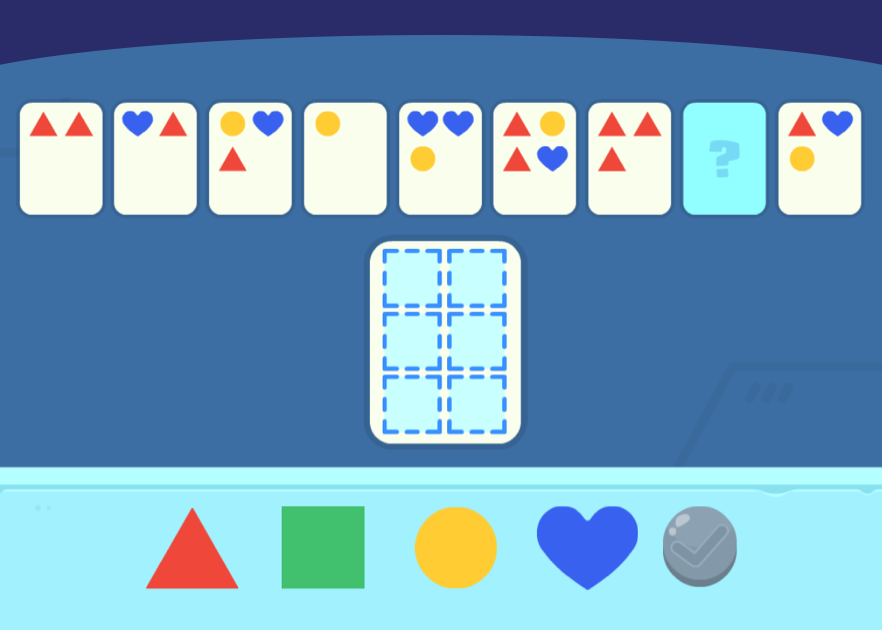
Identify patterns and make inferences by observing shapes, colors, quantities, positions, and other attributes.
Learn to identify and reason about patterns in shape rotations and changes in position.
Sample Lessons from This Level
Learning About Balance Scales
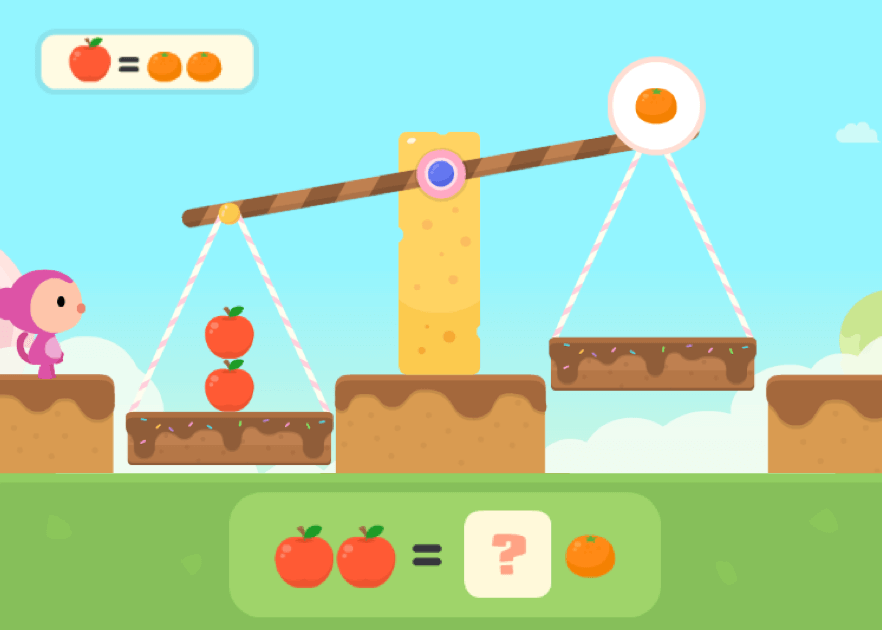
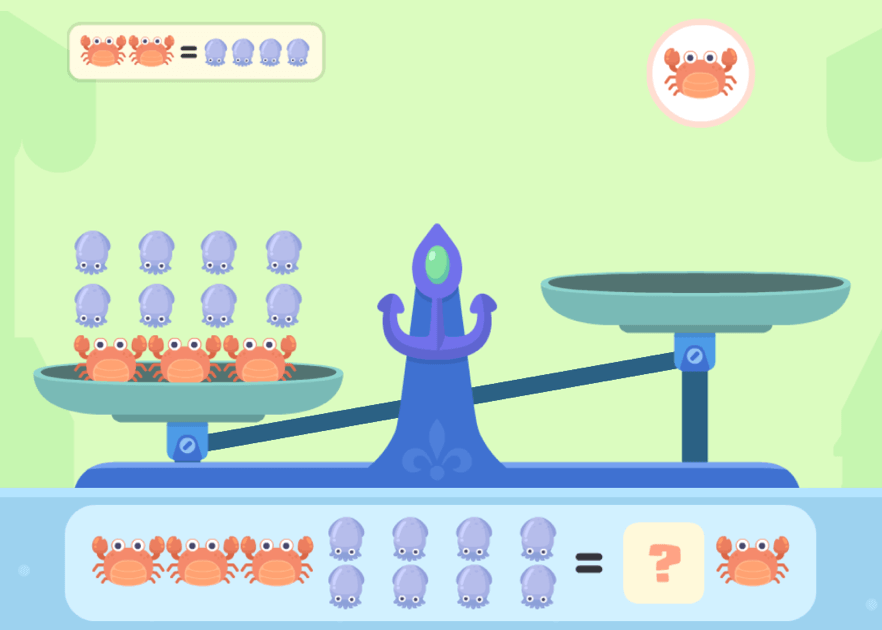
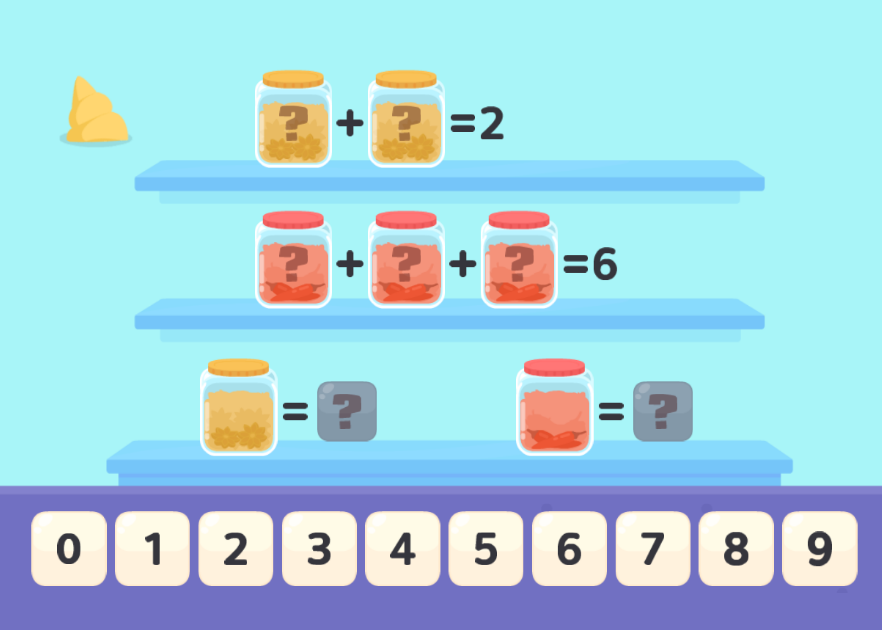
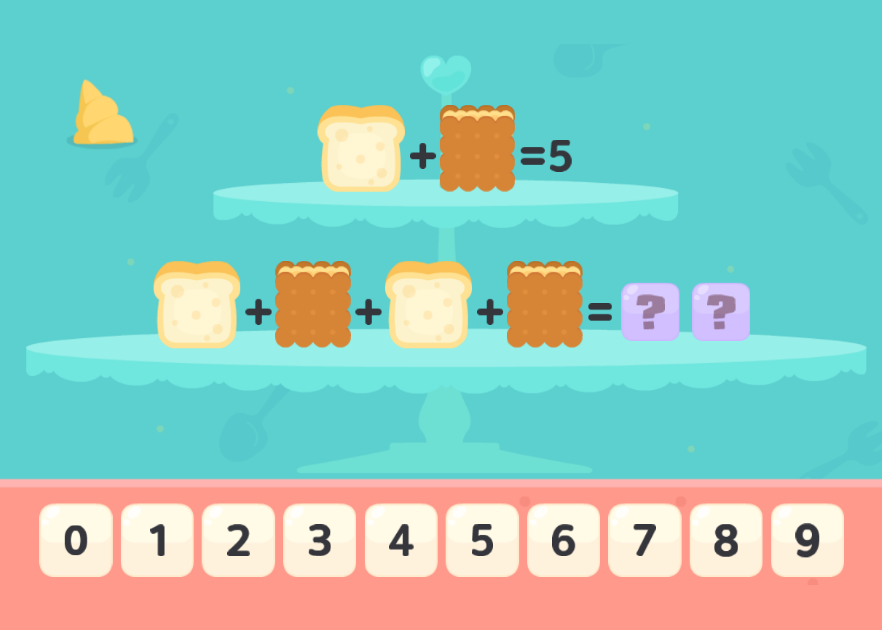
Explore and understand equivalence between objects and equality between quantities through matching and hands-on activities.
Use equal-quantity relationships to make forward or reverse substitutions and solve reasoning and calculation problems.
Number Decomposition with Blocks
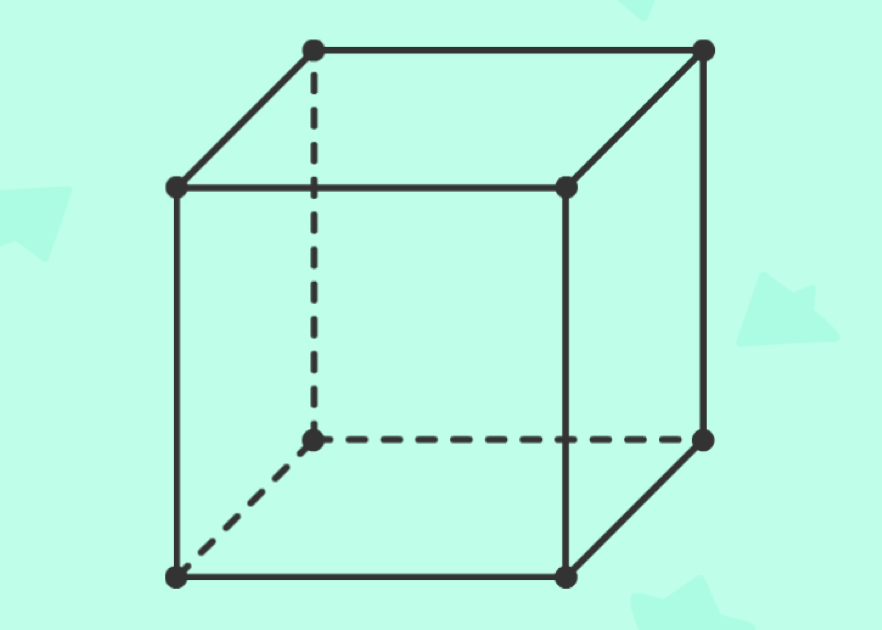
Understand the properties of a cube and identify its number of faces, vertices, and edges.
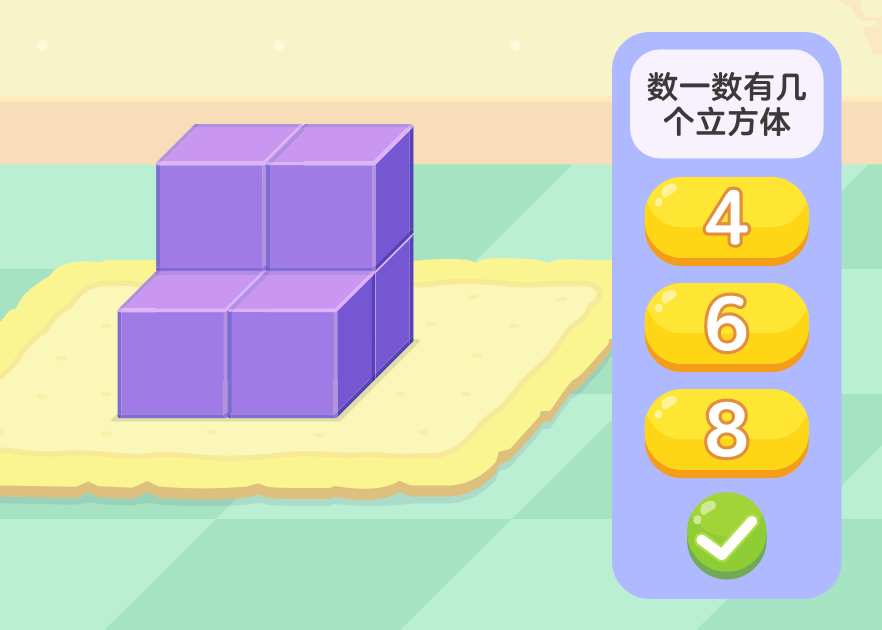
Learn to count cubes systematically and identify hidden cubes.
Sample Lessons from This Level
Pictorial Applications
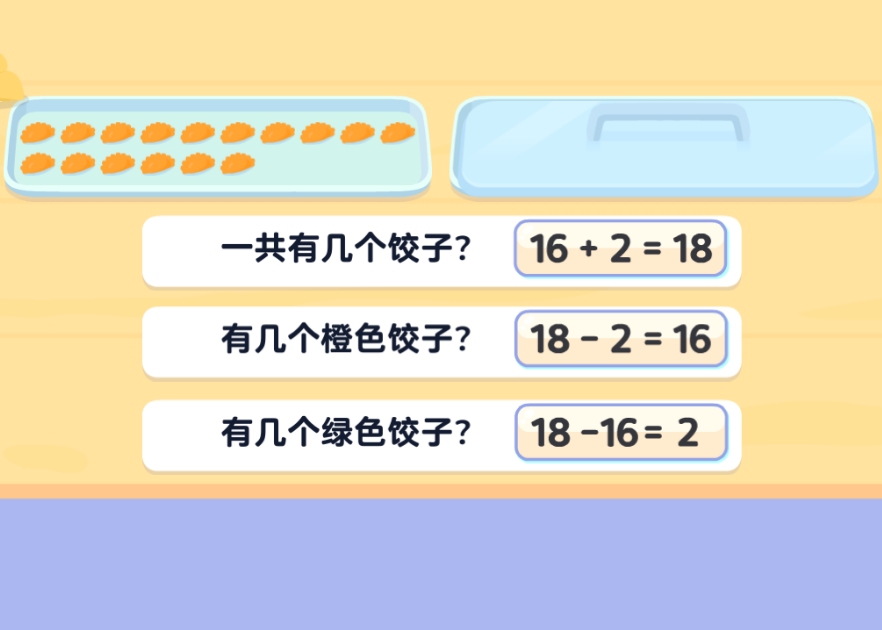
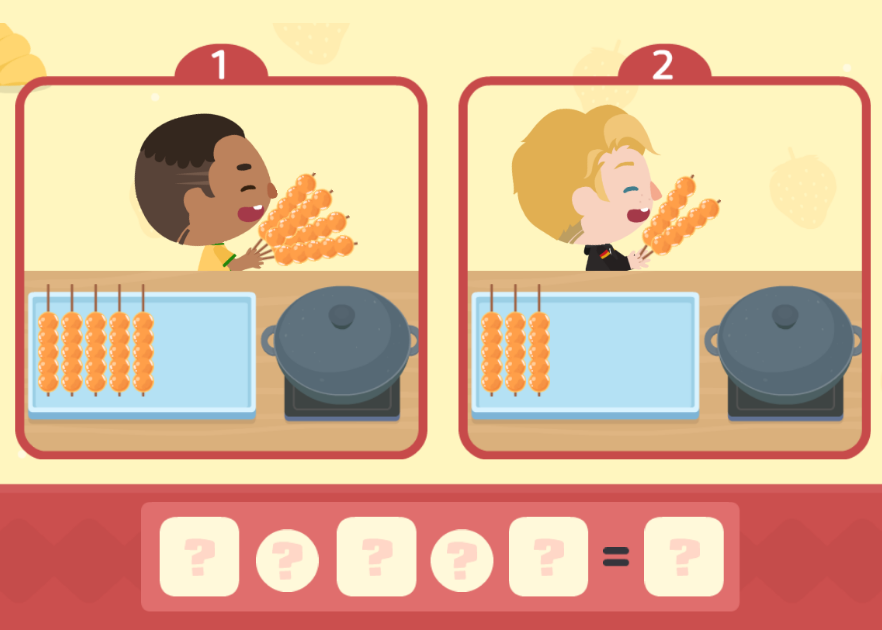
Use information in pictures to write and solve addition or subtraction equations.
Understand the meaning of abstract symbols, such as braces and question marks, in picture-based math problems.
Spatial Orientation
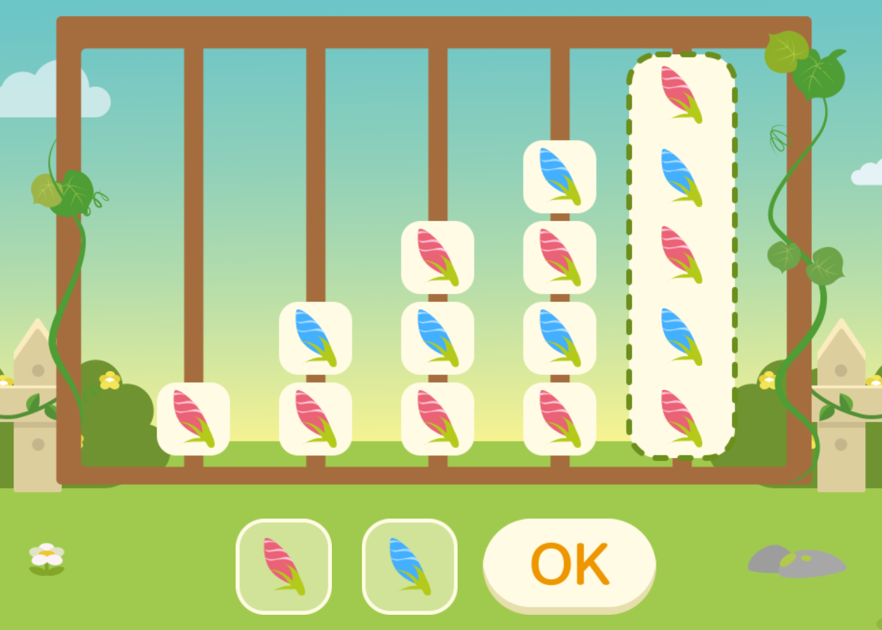
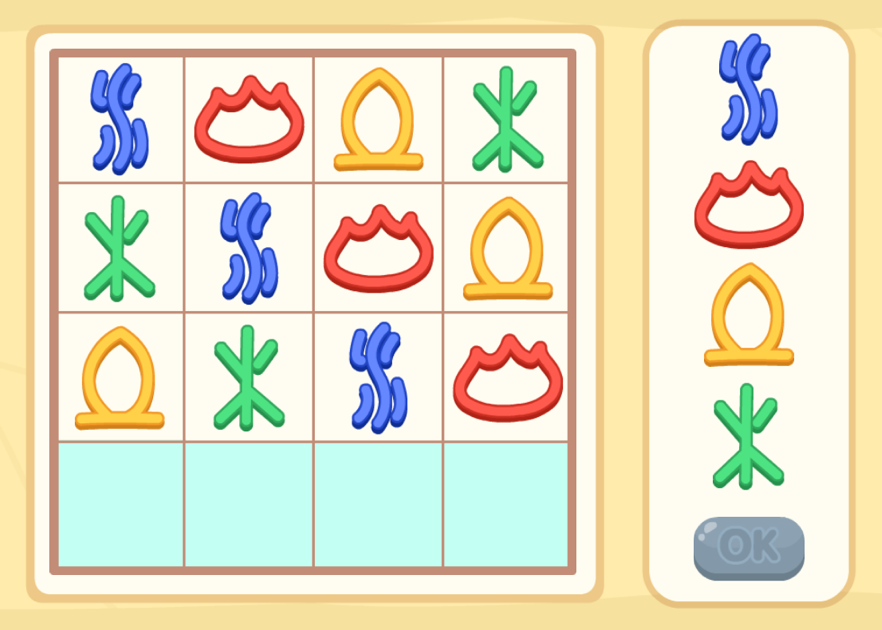
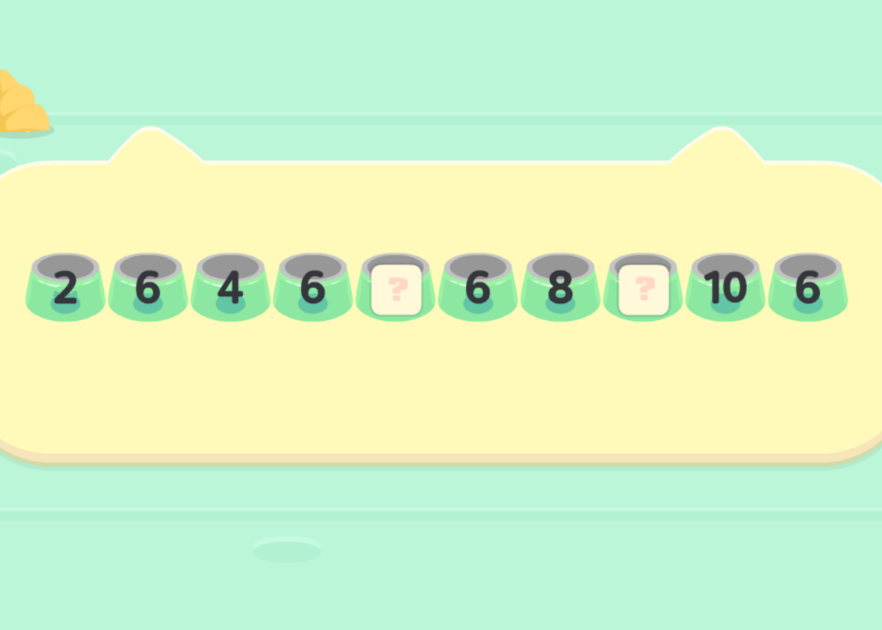
Apply repeating patterns confidently to solve reasoning problems.
Identify and generalize patterns in shape rotation, and apply rotational patterns to solve reasoning problems.
Sample Lessons from This Level